Introduction
A home water filtration system plays a very important role in keeping your family healthy and safe by removing dirt, chemicals, and harmful particles from drinking water. Many people install a home water filtration system but forget that regular care is required to keep it working properly for many years. Without maintenance, even the best home water filtration system can lose efficiency, produce bad-tasting water, or stop working completely. This article explains easy and practical maintenance tips that anyone can follow, even without technical skills. When you take care of your home water filtration system, you save money, improve water quality, and protect your investment. Proper maintenance also helps avoid costly repairs and ensures clean water flows smoothly every day. Understanding how your home water filtration system works and how to maintain it can make a big difference in your daily life.
Understanding How a Home Water Filtration System Works
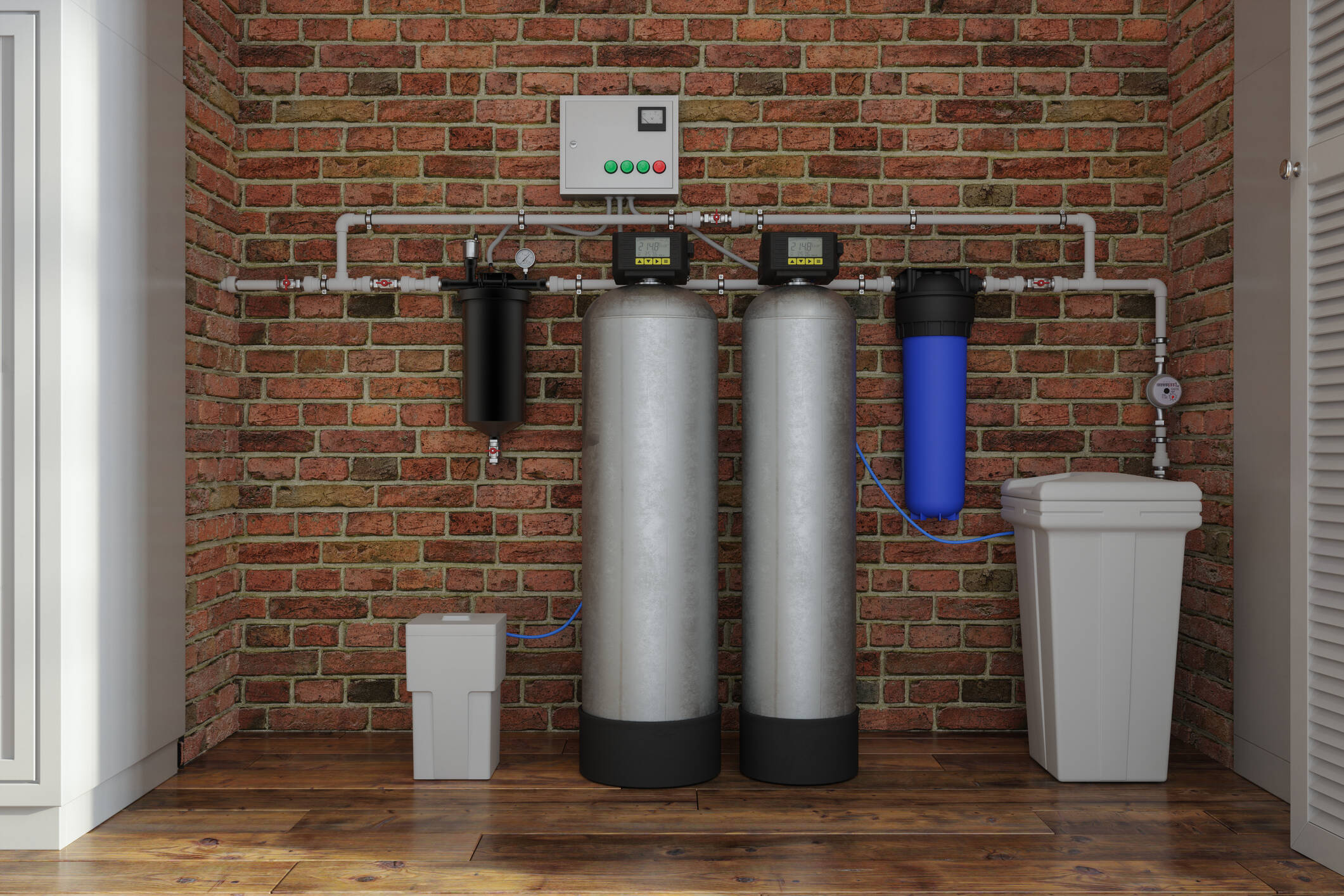
To maintain a home water filtration system, you first need to understand how it works. Most systems use filters to remove impurities such as chlorine, sediment, bacteria, and heavy metals from water. Water passes through different filter stages, and each stage has a specific job. Over time, these filters collect dirt and become clogged, which reduces water flow and filtration quality. A home water filtration system may include carbon filters, sediment filters, or membrane filters, depending on the type of system you use. When filters are clean, the system works smoothly and provides fresh water. When filters are dirty, the home water filtration system has to work harder, which shortens its lifespan. Knowing this basic process helps you understand why regular cleaning and filter replacement are necessary for long-term performance.
Replacing Filters on Time for Better Performance
One of the most important maintenance tips for a home water filtration system is replacing filters on time. Filters are not designed to last forever, and using old filters can harm your system. When filters are overdue for replacement, they may release trapped contaminants back into the water. This makes the home water filtration system less effective and can even make water unsafe to drink. Most manufacturers recommend replacing filters every few months, depending on water usage and quality. Setting reminders or marking replacement dates on a calendar helps ensure your home water filtration system always works at its best. Timely filter changes improve water taste, increase flow rate, and reduce stress on the system. Regular filter replacement is one of the easiest ways to extend the life of your home water filtration system.
Cleaning the System to Prevent Buildup and Damage
Cleaning is another essential step in maintaining a home water filtration system. Dirt, minerals, and bacteria can build up inside the system over time, especially if it is not cleaned regularly. This buildup can block water flow and damage internal components. Simple cleaning methods, such as flushing the system or wiping external parts, can make a big difference. Some home water filtration system models allow users to clean housings and tubing using mild soap and water. Avoid using strong chemicals that can damage filters or leave harmful residue. A clean home water filtration system works more efficiently, lasts longer, and provides safer drinking water. Regular cleaning also helps you notice small problems early before they become serious.
Checking Water Pressure and Flow Rate Regularly
Monitoring water pressure and flow rate is an easy way to protect your home water filtration system. Low water flow often means filters are clogged or parts need attention. High water pressure, on the other hand, can damage filters and connections inside the home water filtration system. Using a pressure regulator can help keep pressure at a safe level. Pay attention to changes in water taste, smell, or flow, as these signs often point to system issues. Regular checks help prevent sudden failures and costly repairs. By maintaining proper pressure and flow, you reduce stress on your home water filtration system and ensure consistent performance over time.
Inspecting System Parts and Connections for Leaks
Leaks are a common issue that can shorten the life of a home water filtration system if ignored. Even small leaks can cause water damage, reduce system efficiency, and increase utility bills. Regularly inspecting pipes, fittings, and connections helps catch problems early. Look for moisture, cracks, or loose parts around the home water filtration system. Tightening connections and replacing worn parts can prevent bigger issues later. A well-inspected home water filtration system runs smoothly and safely. Making inspections part of your routine maintenance keeps the system strong and reliable for years.
Using the Right Water Source and Following Manufacturer Guidelines
Every home water filtration system is designed for specific water conditions, and using the wrong water source can reduce its lifespan. For example, extremely dirty or hard water may require pre-filtration before entering the main system. Always follow the manufacturer’s instructions regarding installation, usage, and maintenance. These guidelines are created to help your home water filtration system last longer and perform better. Ignoring these rules can lead to damage, void warranties, and reduce water quality. When you use the system correctly and follow instructions, your home water filtration system stays efficient and dependable.
Conclusion
Taking care of your home water filtration system does not have to be difficult or expensive. Simple habits like replacing filters on time, cleaning the system, checking pressure, and inspecting for leaks can greatly extend its life. A well-maintained home water filtration system provides clean, safe, and great-tasting water every day. Regular maintenance protects your health, saves money, and ensures peace of mind. By following these easy tips, you can enjoy the full benefits of your home water filtration system for many years. Clean water starts with proper care, and small efforts today lead to long-term rewards tomorrow