Introduction
Technology has changed the way businesses and organizations protect themselves. In the past, security was mostly about physical guards, locked doors, and paper records. Today, security is deeply connected to digital systems, networks, data, and smart tools. As organizations grow and rely more on technology, the risks they face also increase. Cyber threats, data breaches, system failures, and human errors are now common challenges. To handle these risks effectively, modern organizations depend on a strong Security Management System supported by advanced technology.
A Security Management System provides a structured way to protect people, information, and operations. Technology makes this system faster, smarter, and more reliable. From automated monitoring to real-time alerts, technology helps organizations stay ahead of threats. In many industries, especially regulated ones, systems like the Information Security Management System (ISMS) are essential. Standards linked to Information Security Management System, ISMS, Part-IS, and easa part-is highlight the growing role of technology in security. This article explains how technology supports modern Security Management System practices in a clear and simple way.
Technology as the Foundation of Modern Security Management Systems
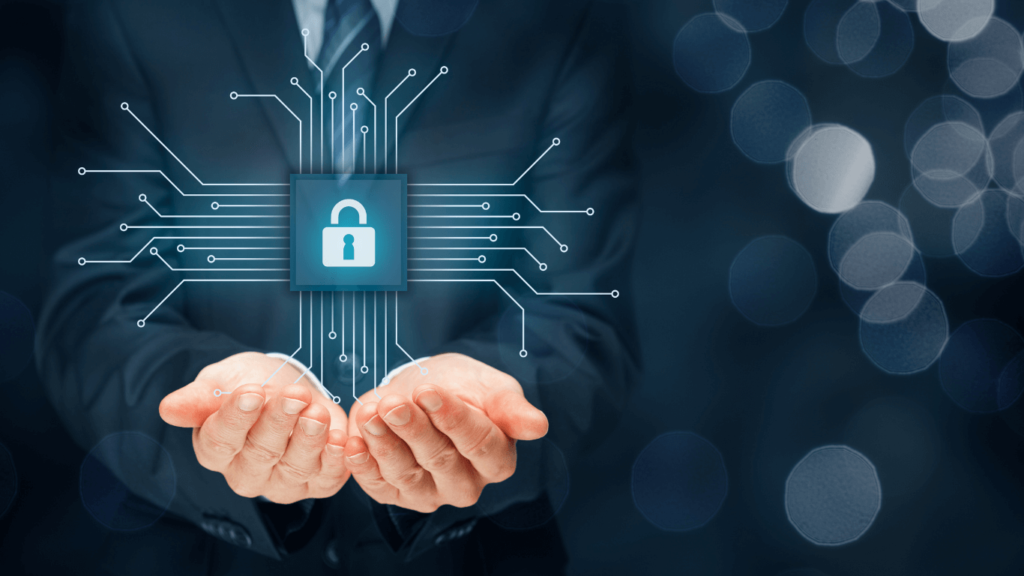
Technology forms the backbone of every modern Security Management System. Without technology, managing security across large and complex organizations would be nearly impossible. Digital tools help collect data, monitor systems, and enforce security rules consistently. This creates a strong and reliable security structure.
A Security Management System uses technology to centralize security activities. Dashboards, security platforms, and management software allow teams to see risks and controls in one place. This visibility helps leaders make better decisions and respond faster to issues.
An Information Security Management System (ISMS) relies heavily on technology to protect data. Firewalls, encryption, access controls, and monitoring tools all support ISMS requirements. Information Security Management System frameworks guide organizations on how to use these technologies effectively and safely.
Automation and Monitoring in Security Operations
Automation is one of the most powerful benefits of technology in a Security Management System. Automated systems can monitor networks, systems, and user activity around the clock. This reduces the need for constant manual checks and lowers the risk of human error.
Automated monitoring tools detect unusual behavior quickly. For example, they can identify suspicious logins, unusual data transfers, or system changes. When something looks wrong, alerts are sent immediately. This allows security teams to act before serious damage occurs.
In an Information Security Management System (ISMS), continuous monitoring is a key requirement. ISMS encourages organizations to use technology for real-time visibility. By combining automation with ISMS controls, organizations improve detection, response, and overall safety.
Technology and Risk Management in Security Planning
Risk management is a core part of every Security Management System. Technology helps organizations identify, analyze, and manage risks more effectively. Risk assessment tools collect data from systems and processes, making risk evaluation more accurate.
With technology, risks can be tracked over time. Changes in systems, new threats, or business growth can all affect risk levels. A Security Management System supported by technology ensures that risks are reviewed regularly and updated when needed.
An Information Security Management System (ISMS) requires continuous risk assessment. ISMS tools help document risks, controls, and actions clearly. This structured approach improves transparency and helps organizations stay compliant with standards like Part-IS and easa part-is.
Improving Incident Response Through Advanced Technologies
When security incidents happen, speed matters. Technology plays a critical role in incident response within a Security Management System. Advanced tools help detect incidents early, coordinate responses, and limit damage.
Incident response platforms guide teams through predefined steps. These systems ensure that the right actions are taken at the right time. Communication tools also help teams share information quickly and clearly during stressful situations.
An Information Security Management System (ISMS) emphasizes testing and improvement of response plans. Technology allows organizations to simulate incidents and practice responses. By using ISMS-supported tools, organizations become faster, calmer, and more effective during real incidents.
Supporting Compliance and Standards with Technology
Compliance is a major reason organizations adopt a Security Management System. Laws, regulations, and industry standards require strong security controls. Technology helps businesses meet these requirements efficiently.
Compliance management tools track policies, controls, and evidence. This makes audits easier and less time-consuming. Instead of searching through documents, organizations can show compliance data quickly.
An Information Security Management System (ISMS) aligned with Part-IS and easa part-is depends on accurate documentation and monitoring. Technology ensures that requirements are met consistently and that gaps are identified early. This reduces the risk of penalties and operational disruptions.
Enhancing Employee Awareness and Access Control
People are a key part of any Security Management System. Technology helps manage human-related risks through access control and awareness tools. Access management systems ensure that employees only have access to what they need.
Training platforms use technology to educate staff about security risks and best practices. Online courses, simulations, and reminders help employees stay alert. This reduces common issues like phishing attacks and accidental data leaks.
An Information Security Management System (ISMS) supports clear access rules and training programs. ISMS tools track who has access to what and when. This improves accountability and strengthens the human side of security management.
Data Protection and Information Security Technologies
Protecting data is one of the main goals of a Security Management System. Technology provides strong tools to keep information safe. Encryption, backups, and secure storage protect data from loss and theft.
Data protection technologies also help with recovery. In case of failure or attack, backups allow organizations to restore systems quickly. This supports business continuity and reduces downtime.
An Information Security Management System (ISMS) focuses heavily on data protection. ISMS standards guide organizations on how to use technology to protect information. Information Security Management System practices combined with modern tools create a strong defense against data-related threats.
Conclusion
Technology plays a vital role in modern Security Management Systems. It supports automation, monitoring, risk management, incident response, compliance, and data protection. Without technology, managing today’s complex security challenges would be extremely difficult.
An Information Security Management System (ISMS) uses technology to turn security rules into daily practice. Standards such as Information Security Management System, ISMS, Part-IS, and easa part-is highlight the importance of digital tools in security. By combining technology with a strong Security Management System, organizations can improve safety, build trust, and achieve long-term success in a rapidly changing world.